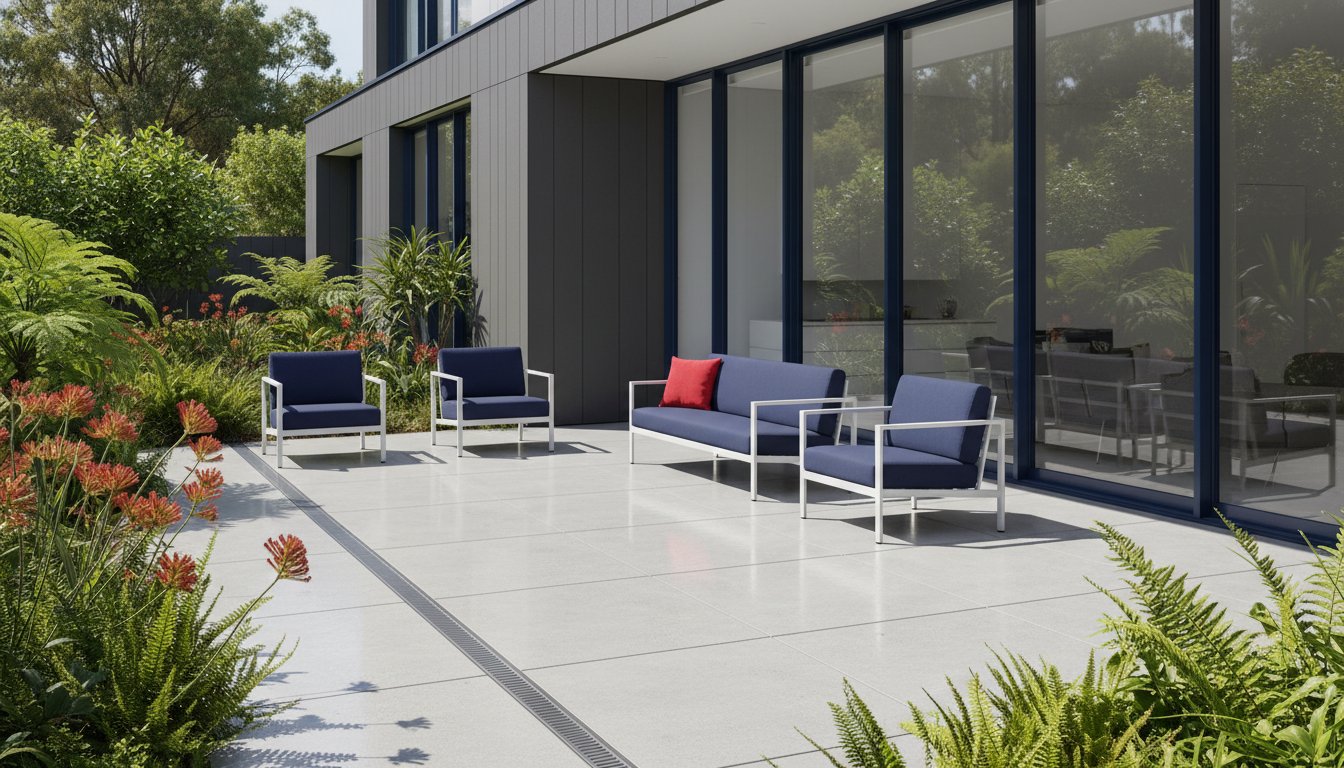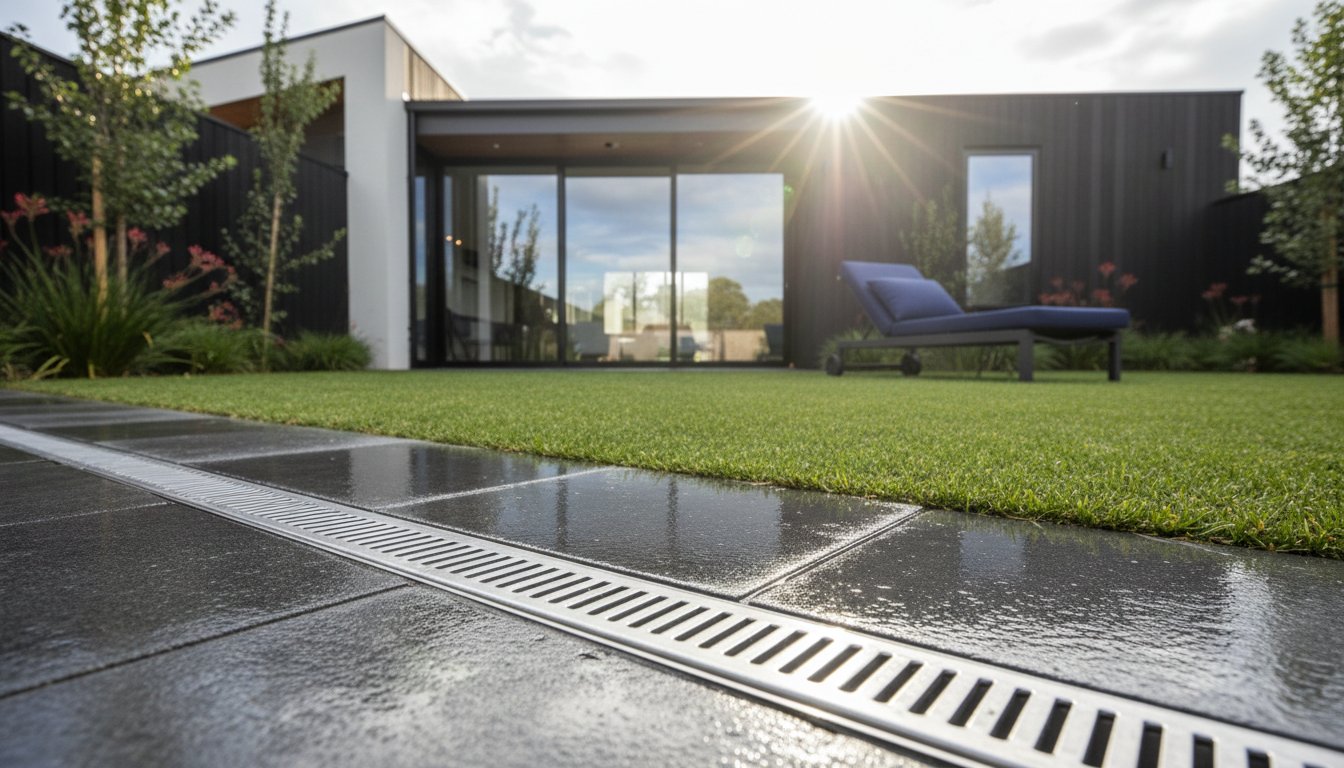
Your driveway is more than just a place to park; it is the visual threshold to your sanctuary and the first chapter of your home’s story. You likely believe that protecting your vehicle from the harsh Australian sun shouldn’t mean sacrificing the architectural integrity of your property. It’s a common worry that choosing the wrong carport kits might result in a structure that looks temporary or fails to meet the stringent AS/NZS 1170 structural design actions required for our unique climate. We understand that you want the confidence of a permanent, high-end addition without the frustration of navigating complex building codes alone.
This guide will show you how to choose a solution that offers a seamless transition between your existing residence and your new outdoor shelter. You’ll discover how to balance the rugged durability of weather-resistant materials with the refined aesthetics that instantly elevate your street appeal. We’re moving beyond basic utility to explore premium finishes and engineering that promises longevity through 2026 and beyond. We will walk through the essential steps of selecting wind-rated frames and high-performance roofing to ensure your home improvement project is both a practical success and a design triumph.
Key Takeaways
- Elevate your home’s silhouette by evolving beyond basic utility into a sophisticated architectural sanctuary that mirrors your property’s unique design.
- Uncover the enduring benefits of premium materials like Colorbond steel, ensuring your carport kits provide a seamless blend of aesthetic grace and rugged Australian durability.
- Master the complexities of Australian engineering standards and wind ratings to ensure your structure stands firm as a timeless heirloom against the elements.
- Weigh the allure of DIY craftsmanship against the security of professional installation to safeguard your home’s value and maintain long-term structural integrity.
- Explore how to curate a functional outdoor space that harmonizes vehicle protection with your broader vision for a refined, lifestyle-oriented home environment.
Understanding the Architectural Value of Modern Carport Kits
Imagine arriving home to a structure that mirrors the elegance of your main residence. Modern carport kits have transcended their humble beginnings as mere utility sheds. They’re now precision-engineered, modular extensions of the Australian home. These structures offer more than shelter; they provide a sanctuary for your vehicle while framing the entrance to your private world. By 2026, the design focus has shifted toward high-performance materials that resist the harsh UV rays of the Australian sun, ensuring your investment remains as pristine as the day it was installed.
Choosing a sophisticated kit elevates your street appeal instantly. Property valuations reflect the quality of these additions. A 2025 industry report noted that homes with integrated, high-quality carports saw a faster turnaround in the prestige market compared to those with basic street parking. This isn’t just about avoiding hail damage. It’s about the peace of mind that comes from knowing your asset is protected by a structure designed for longevity and aesthetic harmony. The emotional benefit of a secure, shaded arrival cannot be overstated, especially during the peak of a 40-degree summer day.
Beyond structural shelter, maintaining your vehicle’s condition involves holistic protection; for those interested in premium UV-shielding solutions for cars and homes, you can discover Dad Auto Care and their professional tinting services.
The Evolution of Carport Design
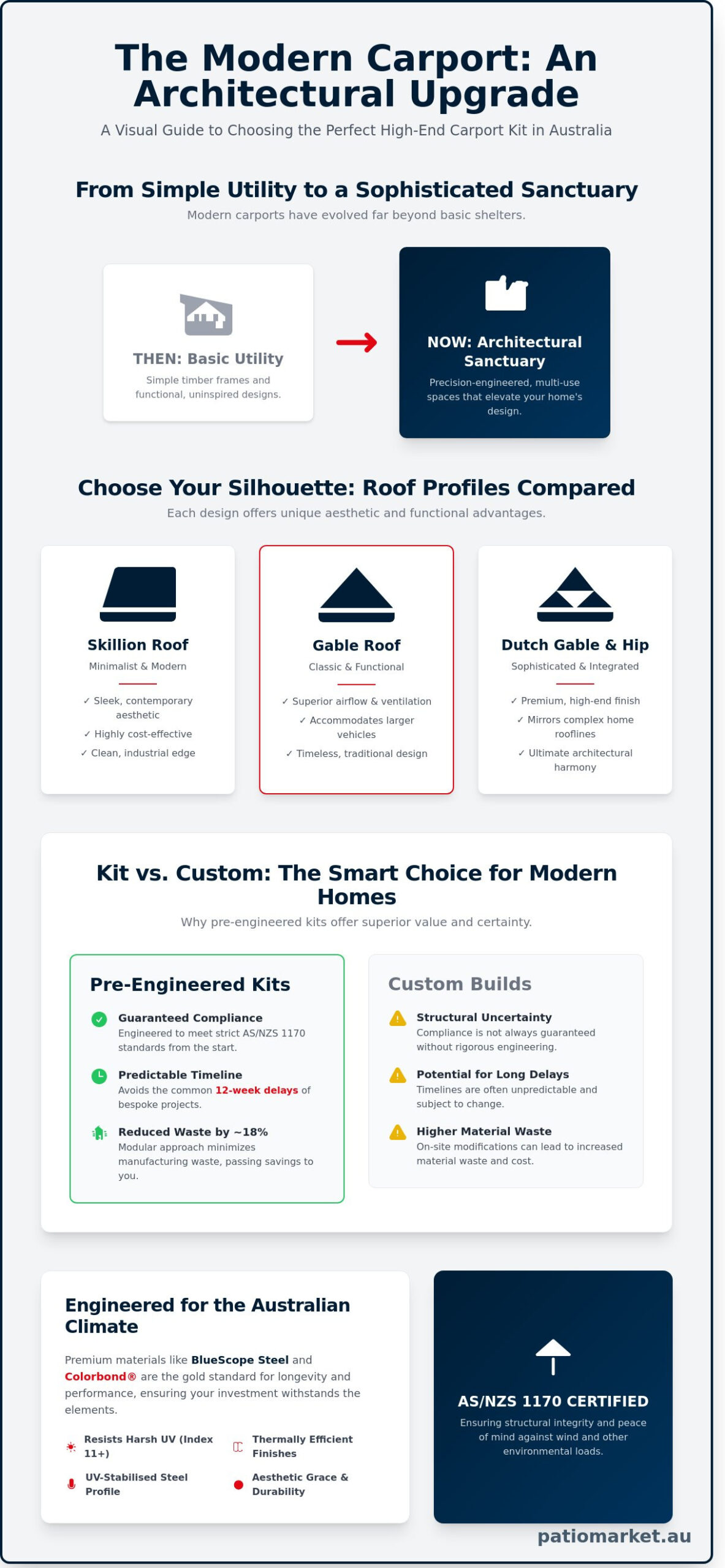
We’ve moved far beyond the basic timber frames of the past. Today’s designs favour sleek, UV-stabilised steel structures that offer a lightweight yet incredibly strong profile. Exploring the history and design of carports reveals how these spaces have evolved from simple lean-tos into complex architectural statements. In 2026, we see a rise in multi-use spaces. Homeowners are opting for carport-alfresco hybrids. The structure serves as a shaded entertaining area when the car is away, creating a seamless transition between your driveway and your outdoor lifestyle zones.
Why a Kit Over a Custom Build?
Opting for a pre-engineered kit provides a level of structural certainty that custom builds often lack. Each component is manufactured to meet strict AS/NZS 1170 structural design actions, ensuring compliance before the first bolt is tightened. This modular approach reduces manufacturing waste by approximately 18 percent. These savings are passed directly to you without compromising on premium craftsmanship. You also gain a predictable timeline. You’ll know exactly when your sanctuary will be complete, avoiding the common 12-week delays often associated with bespoke architectural projects. The result is a professional, certified finish that feels like a natural part of your home’s original footprint.
Comparing Roof Profiles and Materials: Skillion, Gable, and Beyond
Choosing the right silhouette for your vehicle’s sanctuary defines the architectural harmony of your property. Modern carport kits offer more than mere shelter; they act as a seamless extension of your home’s design language. The profile you select dictates how the structure breathes, sheds water, and interacts with the intense Australian light.
Skillion vs. Gable: Aesthetic and Functional Differences
Skillion roofs, often identified by their single sloping surface, provide a minimalist aesthetic that suits contemporary Australian architecture. These profiles are highly cost-effective and offer a clean, industrial edge for modern homes. In contrast, gable roofs feature two sloping sides that meet at a central ridge. This design creates a vaulted interior that promotes superior airflow, which is essential when temperatures climb above 35 degrees Celsius. The increased height also accommodates larger 4WDs or caravans with ease. For homeowners with complex rooflines, Dutch Gable and Hip profiles offer a premium finish that mirrors the sophisticated geometry of high-end residential builds, ensuring the addition feels like an original part of the house.
Material selection is the foundation of longevity. BlueScope steel and Colorbond remain the gold standards because they are specifically engineered for our climate. These materials undergo rigorous testing to ensure they withstand the harsh UV index, which frequently peaks at 11 or higher during summer. Beyond structural strength, the sensory experience under a premium roof is markedly different. High-quality thermally efficient finishes reduce heat radiation, keeping the area beneath the canopy significantly cooler than basic alternatives. When you evaluate the engineering of these structures, it’s vital to ensure they align with International Residential Code (IRC) standards to guarantee safety and structural integrity against extreme weather events.
The Role of Premium Coatings and Finishes
Longevity in the Australian sun requires UV-stabilised finishes that resist fading and chalking over decades. It’s not just about the large steel sheets; the fasteners and connectors must also feature high salt-spray ratings. This is a non-negotiable requirement for the 85% of Australians living within 50km of the coast. Selecting a colour palette is an exercise in curation. You might choose a deep Monument or a soft Surfmist to complement your existing outdoor blinds, creating a cohesive outdoor destination that feels intentional and refined. This attention to detail ensures your carport kits provide a sanctuary for your vehicles while elevating the overall value of your home.
- Skillion: Modern, sleek, and efficient for water runoff.
- Gable: Traditional, airy, and ideal for heat dissipation.
- Colorbond: Proven UV resistance and thermal performance.
- Galvanised Fasteners: Essential for preventing corrosion in coastal zones.
DIY Kits vs. Professional Installation: Navigating the Craftsmanship Gap
Choosing between high-quality carport kits is the first step toward creating a sanctuary for your vehicle. The next decision involves the hands that build it. While the allure of sweat equity is strong, the gap between a functional shelter and a refined architectural addition often lies in the execution. You must weigh the satisfaction of a personal project against the precision that only a seasoned specialist provides.
The DIY Reality Check
Assembling a premium structure requires more than a basic toolkit. To achieve a high-end finish, you need a heavy-duty impact driver, a precise laser level, and at least two capable assistants. The “weekend project” is often a myth for the unassisted homeowner. Realistic timelines for a standard double carport typically span 16 to 24 hours of active labor, excluding site preparation. DIY makes sense for budget-conscious homeowners tackling simple skillion designs on perfectly level ground. However, minor miscalculations in post-alignment can lead to long-term structural stress. Before starting, verify that your plan meets International Residential Code (IRC) standards for carports, which offer a global benchmark for safety and fire separation that complements your local Australian Council requirements.
The Professional Advantage
Expert installers transform carport kits into permanent landmarks. They navigate the hidden complexities of site levels and pour concrete footings that withstand the unpredictable Australian climate. A professional brings a workmanship warranty, which in states like New South Wales or Victoria, typically covers the installation for up to 6 years. This protection sits alongside the manufacturer’s product warranty, creating a double layer of security for your investment.
- Site Mastery: Professionals handle complex drainage and soil variations that stymie novices.
- Precision Engineering: Every bolt and beam is torqued to exact specifications for maximum wind resistance.
- Seamless Integration: Expert hands ensure the new structure looks like an original part of your home’s architecture.
Using a directory to find vetted, licensed contractors ensures the finish is flawless. You aren’t just erecting a roof; you’re creating a future heirloom that adds tangible value to your property. When a professional manages the heavy lifting, the transition from a delivery pallet to a finished sanctuary is effortless. This choice preserves your weekends and guarantees that the structure stands the test of time, reflecting the true craftsmanship your home deserves.
Engineering Standards and Compliance: Ensuring Structural Integrity
Investing in a carport is an investment in your property’s longevity and your vehicle’s safety. You aren’t just buying a frame; you’re securing a sanctuary that must withstand the unpredictable Australian climate. The Australian Standards, specifically AS/NZS 1170, serve as the non-negotiable benchmark for structural engineering. This code dictates how carport kits must respond to wind loads and environmental pressures, ensuring the structure remains standing during extreme weather events. Compliance with the Building Code of Australia (BCA) isn’t a suggestion; it’s a legal requirement that protects your home’s value and your family’s safety.
Site preparation stands as the most critical phase of any installation. Your foundation acts as the anchor for the entire system, translating the weight and wind pressure into the ground. While a standard driveway slab might be 100mm thick, the footings for your carport posts often require depths of 600mm to 1200mm depending on your soil type. Skimping on the concrete or the depth of these footings compromises the kit’s integrity. A well-prepared site ensures a seamless transition from a collection of parts to a permanent architectural addition.
Understanding Wind Ratings and Structural Safety
Wind ratings are determined by your specific Terrain Category and geographic region. An N2 rating might suit a suburban backyard with plenty of surrounding houses to break the wind, but a coastal or hilltop property often demands an N3 or even a C1 cyclonic rating. Cheap, unbranded kits frequently fail during storms because they lack the heavy-gauge steel and reinforced brackets required for these higher ratings. A wind rating is a structural classification that specifies the maximum wind velocity a building can endure based on its specific geographic location and environmental exposure. Choosing a kit with the correct rating ensures your vehicle remains protected when the wind gusts exceed 40 metres per second.
A Guide to Council and Building Permits
Managing council requirements requires a clear understanding of local regulations. In many Australian jurisdictions, structures under 20 square metres may fall under “exempt development,” meaning you won’t need a full building permit. However, if your carport is larger or positioned near a boundary, you’ll need to submit a site plan, engineering drawings, and a certificate of design. You can streamline this process by choosing pre-certified carport kits that arrive with all the technical documentation your local surveyor requires. This professional approach reduces the risk of costly delays and ensures your new structure is fully insured and compliant from day one.
Ready to elevate your home with a structure engineered for the Australian sun? Explore our range of certified carport kits today.
Selecting the Ideal Carport Kit and Installation Professional
Creating a sanctuary for your vehicle requires more than a simple transaction; it demands a curated approach to design and engineering. When you invest in high-quality carport kits, you’re choosing a permanent addition to your property’s footprint. The right structure elevates your daily routine, providing a seamless transition from the comfort of your car to the warmth of your home. To achieve this, you must partner with suppliers who value craftsmanship as much as you value your home’s aesthetic.
The Selection Framework
The Australian climate is unforgiving, making material transparency non-negotiable. Look for suppliers with at least 10 years of experience in the local market to ensure they understand regional weather patterns. When you compare quotes, look past the bottom line. Ensure you’re comparing apples with apples by checking the steel gauge. A premium kit typically utilizes 0.42mm or 0.48mm Base Metal Thickness (BMT) high-tensile steel, rather than thinner, less durable alternatives.
- Verify Engineering: Ensure the plans are site-specific and compliant with AS/NZS 1170.2 wind loading standards.
- Material Origin: Prioritize genuine BlueScope steel for its proven longevity in harsh UV conditions.
- Warranty Clarity: Demand a written guarantee that covers both the structural integrity and the finish of the carport kits.
Beyond the Carport: Creating a Cohesive Outdoor Space
Your new structure shouldn’t exist in isolation. It’s a foundational element of your broader outdoor lifestyle. You can significantly enhance the utility of the space by integrating outdoor blinds to block driving rain or afternoon glare. This simple addition transforms a utility zone into a protected area suitable for a weekend workshop or additional storage.
The most successful installations feel like they’ve always been there. Professional landscapers play a vital role in this integration, using retaining walls, paved pathways, or strategic plantings to anchor the structure to your garden. If you’re ready to begin your transformation, browse our directory to find the best patio and carport professionals in your area. They possess the local knowledge required to handle council approvals and site preparation with ease.
- Has the site been surveyed for underground utilities?
- Is the concrete slab thickness rated for your specific vehicle weight?
- Does the design allow for future additions, such as EV charging stations?
At Patio Market, we believe your home is your greatest destination. We’re here to connect you with the components of a better life, ensuring every addition to your property serves your well-being. By selecting the right kit and a trusted professional, you aren’t just building a roof; you’re crafting a legacy of comfort and style.
Transform Your Driveway Into a Lasting Sanctuary
Investing in a high-quality structure isn’t just about shielding your vehicle from the intense Australian sun; it’s about refining your home’s silhouette for years to come. By selecting carport kits that align with AS/NZS 1170 structural design actions, you ensure your investment withstands local wind loads and harsh weather patterns. Whether you choose the sleek lines of a skillion roof or the classic appeal of a gable design, the transition from a functional space to a sophisticated architectural asset depends on the quality of the finish. Professional craftsmanship bridges the gap between a simple DIY project and a lifelong heirloom that adds genuine value to your property.
This commitment to quality should extend to the ground level as well; for instance, the expert surfacing work of ResinBound Dublin showcases how a premium driveway can complement structural additions to create a truly unified property entrance.
Navigating these choices requires a blend of aesthetic vision and technical precision. You don’t have to manage the complexities of Australian building codes alone. Elevate your home with Australia’s finest patio and carport professionals on Patio Market. Our platform serves as Australia’s most comprehensive directory of verified outdoor professionals, offering curated listings that focus on craftsmanship and longevity. We provide the expert resources you need to navigate Australian building standards with confidence. Start your journey toward a more beautiful, protected home today.
Frequently Asked Questions
Do I need a council permit for a carport kit in Australia?
You generally require council approval for a carport kit in Australia, though specific exemptions exist for minor structures depending on your state. In New South Wales, the State Environmental Planning Policy allows certain carports under 20 square metres to be built without a permit if they meet strict setback and height criteria. It’s vital to contact your local council before starting, as 85 percent of Australian local government areas mandate a formal building application to ensure safety and structural integrity.
How long does it take to assemble a standard double carport kit?
You can expect to complete the assembly of a standard double carport kit within 12 to 16 hours when working with a second person. Most homeowners find that a single weekend provides ample time to move from the initial layout to the final tightening of the roof sheets. Since these kits arrive with pre-punched holes and detailed technical drawings, the process is streamlined for efficiency. This timeframe assumes your foundation or concrete footings are already cured and ready for installation.
What is the difference between Colorbond and ZINCALUME for carports?
Colorbond features a pre-painted finish available in 22 standard colours, while ZINCALUME is a raw, silver-coloured coating made of zinc, aluminium, and magnesium. Colorbond provides an extra layer of protection and matches your home’s aesthetic, making it the premium choice for visible structures. ZINCALUME is often more budget-friendly and suits industrial applications or hidden areas. Both materials are engineered for the harsh Australian sun and offer high corrosion resistance for long-term durability.
Can a carport kit be attached to my existing house wall?
Yes, many carport kits are designed specifically as attached models that secure directly to your home’s fascia or structural wall. This creates a seamless transition from your internal living spaces to your protected outdoor sanctuary. You must ensure the existing wall is structurally sound and capable of bearing the additional load. Using specialized heavy-duty brackets ensures the connection remains secure during high-wind events and maintains the architectural harmony of your property.
What wind rating does my carport kit need to have?
Your carport kit must meet the specific wind classification of your site, which is categorized from N1 to N4 for non-cyclonic areas and C1 to C4 for cyclonic regions. According to AS 1170.2:2021 standards, most suburban Australian homes fall into the N2 or N3 category. If you live within 50 kilometres of the coast in Northern Australia, you’ll likely require a C-rated structure to withstand extreme weather. Always verify your site’s rating with a qualified engineer before purchase.
Is it cheaper to buy a carport kit or build one from scratch?
Buying a pre-engineered carport kit is typically 20 to 30 percent more cost-effective than sourcing individual raw materials and building from scratch. Manufacturers benefit from bulk purchasing and precision laser cutting, which reduces material waste and labour costs. A kit also includes all necessary hardware and engineering certifications. These documents are vital for council approval and can cost upwards of A$800 if commissioned privately from a structural engineer.
Can I install a carport kit myself if I am not a licensed builder?
You can legally install a carport kit as an owner-builder in most Australian states, provided you obtain the necessary owner-builder permit for projects exceeding a certain value. In Queensland, this threshold is A$11,000, while in Victoria it’s A$16,000. While the kits are designed for straightforward assembly, you should have basic power tool proficiency and a clear understanding of the assembly manual. Engaging a licensed professional is recommended if you’re unsure about the structural components.
What kind of foundation or slab is required for a carport kit?
A carport kit requires either a reinforced concrete slab or individual concrete footings for each post. For a standard vehicle, a slab thickness of 100mm with SL72 mesh reinforcement is the industry standard to prevent cracking under weight. Footings usually need to be at least 300mm wide and 600mm deep, though this varies based on your local soil type and wind rating. Ensuring a level and stable base is the most critical step for achieving a professional, lasting finish.