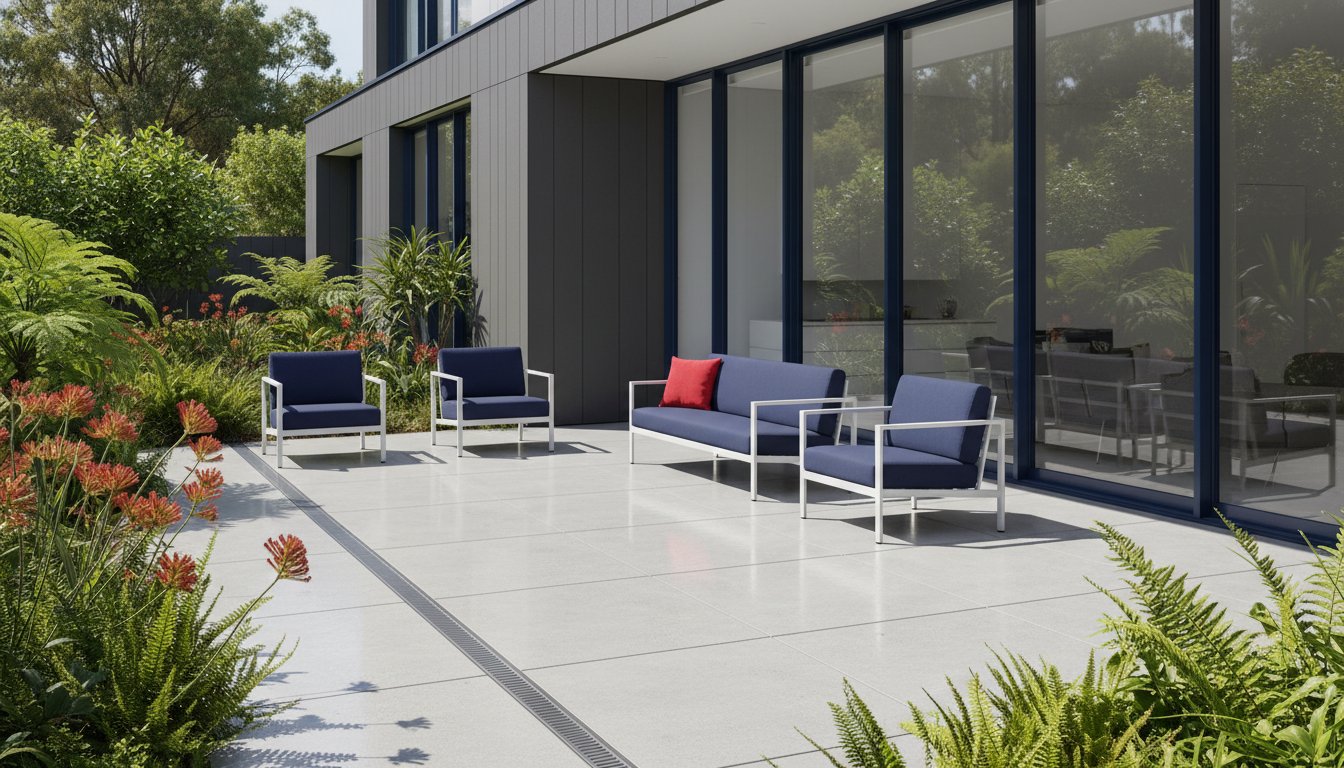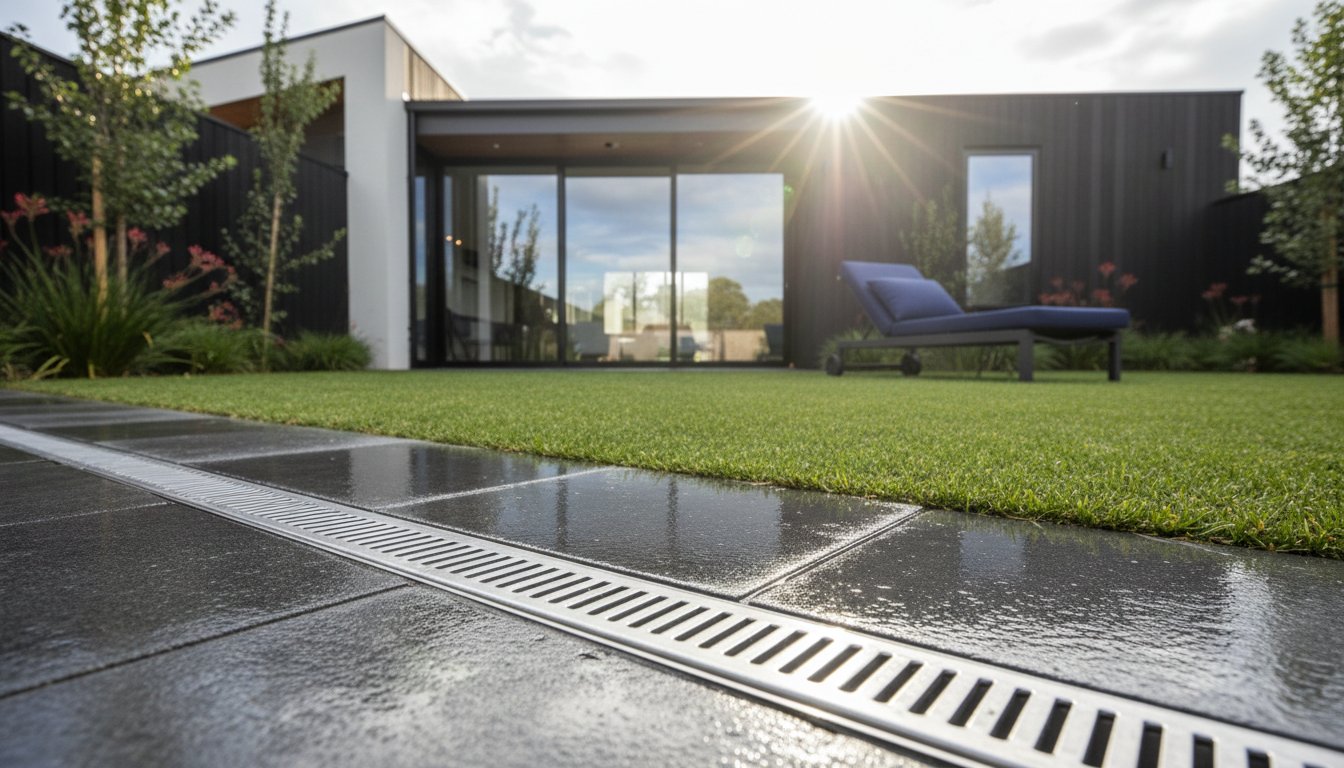
Your backyard shouldn’t be a separate entity; it should be the most frequently used room in your house. You likely recognize that a true alfresco space is far more than a simple patio; it’s a carefully curated sanctuary that bridges the gap between your interior comfort and the raw beauty of the Australian landscape. We understand the frustration of battling the harsh 40 degree summer heat or searching for contractors who truly grasp the nuances of high-end craftsmanship. It’s about more than just aesthetics; it’s about creating a destination for well-being that stands the test of time.
This 2026 guide promises to walk you through the planning, design, and execution of a space that feels like a natural evolution of your architecture. You’ll learn how to select weather-resistant materials that offer longevity and discover why a seamless indoor-outdoor transition can increase your home’s market value by up to 15 percent. We’re exploring everything from structural flow to the sensory details of UV-stabilized finishes, giving you the tools to build a retreat that serves as a permanent escape.
Key Takeaways
- Understand the structural nuances that define a true alfresco sanctuary, ensuring your new space is a permanent, seamless extension of your home’s main roofline.
- Master the art of layout planning to optimise natural light and functional flow, creating a destination tailored for sophisticated dining or relaxed lounging.
- Select premium, weather-resistant materials and insulated roofing designed to endure the harsh Australian climate while maintaining a polished aesthetic.
- Implement advanced climate control solutions, including motorised blinds, to guarantee your outdoor retreat remains a comfortable haven throughout the peak of summer.
- Integrate smart home technology and elegant, durable furniture to elevate your living experience to an international standard of luxury and convenience.
What is an Alfresco? Defining the Ultimate Outdoor Sanctuary
Imagine a space where the boundaries of your home dissolve into the fresh air. Derived from the Italian phrase for “in the cool,” al fresco dining has evolved from a simple picnic concept into a sophisticated architectural staple. An alfresco area isn’t just a deck or a porch; it’s a purposeful extension of the house, built under the main roofline to create a permanent sanctuary for relaxation. It bridges the gap between the controlled comfort of your living room and the raw beauty of the Australian landscape, offering a dedicated destination for well-being and connection.
This architectural choice defines modern Australian living. By integrating the space into the home’s primary structure, architects create a seamless transition that encourages a flow of light and movement. It’s about more than just square footage; it’s about elevating your daily rituals. Whether it’s a quiet morning coffee or a lively dinner with friends, the alfresco provides a versatile backdrop that feels both expansive and intimate.
Alfresco vs. Patio: Understanding the Structural Differences
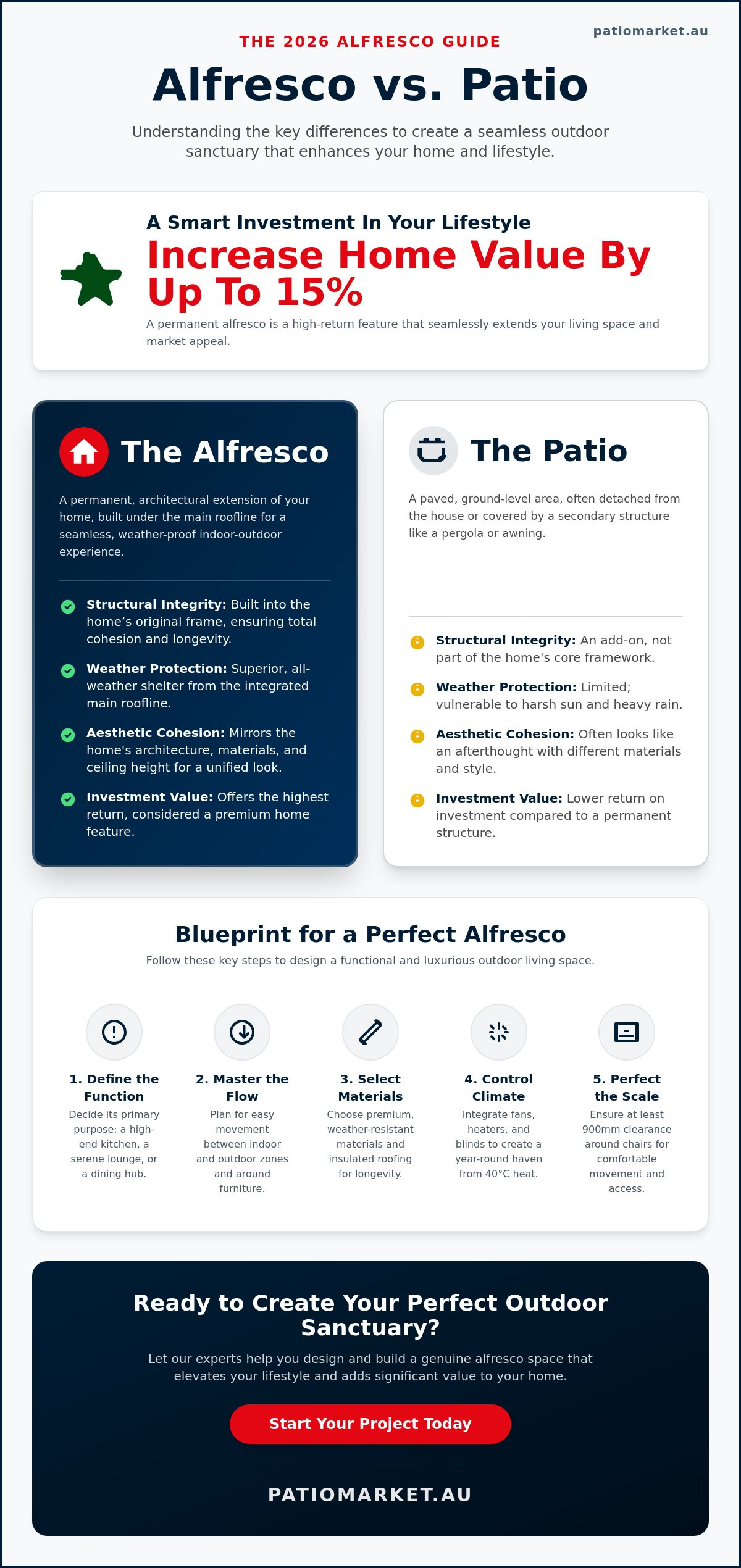
While many homeowners use the terms interchangeably, the structural differences are significant and impact both utility and property value. A patio is typically a paved area at ground level, often separate from the house or covered by a secondary structure like a pergola. In contrast, an alfresco is designed as a structural component of the home from the outset. Because it shares the primary roof, it offers superior protection against the harsh 40-degree Australian summers and sudden coastal downpours.
- Structural Integrity: Built as part of the original house frame, ensuring longevity and durability.
- Weather Protection: The integrated roofline provides consistent shade and keeps the area dry during heavy rain.
- Aesthetic Cohesion: Materials, ceiling heights, and flooring often mirror the interior to create a unified look.
- Investment Value: Permanent structures typically offer a higher return on investment compared to temporary additions.
The Evolution of the Australian Outdoor Room
The Australian backyard has undergone a radical transformation since the early 2000s. We’ve moved away from the basic “hills hoist and a patch of grass” toward curated, high-end environments that function as secondary living suites. By 2026, design trends focus heavily on biophilic elements, using natural timbers, stone, and vertical gardens to foster a deeper connection with nature. This shift prioritizes mental health, turning the home into a restorative retreat that shields residents from the pace of modern life.
The modern outdoor room has officially become the new heart of the Australian home.
How to Plan Your Alfresco Layout for Seamless Flow
Designing a high-end alfresco space requires more than just placing a table on a deck; it demands a deep understanding of how you inhabit your home. Begin by identifying the primary soul of the area. Whether you envision a high-octane outdoor kitchen for weekend feasts or a serene lounge for evening reflection, the layout must follow function. You should map out the orientation of the structure to capture the gentle morning light while shielding guests from the harsh 3:00 PM Australian sun. This careful positioning ensures the space remains a sanctuary throughout the heat of February.
Position your grill to respect the “golden triangle” principle, ensuring the path between your indoor pantry and the outdoor cooking station is direct and unobstructed. A well-planned layout keeps the host connected to the conversation while they cook, preventing the isolation that often occurs with poorly placed equipment. Traffic flow should feel instinctive. Guests must be able to move effortlessly from the lounge to the dining area without disrupting the person at the barbecue or squeezing through tight gaps.
To further refine this flow and keep the host engaged with their guests, consider integrating specialized amenities. Premium options from Patio Life, such as their professional-grade drinks coolers, allow you to keep beverages perfectly chilled and within reach, eliminating the need for frequent trips back to the main house.
Step 1: Determining Size and Scale
Measure your available footprint with absolute precision before committing to a design. A common mistake is crowding the area with oversized settings that stifle movement and create a cluttered atmosphere. You should allow for at least 900mm of clearance around dining chairs to ensure guests can rise and move comfortably without hitting walls or railings. Your furniture choices should mirror the architectural proportions of your house; a sprawling contemporary villa can handle larger modular sets, whereas a compact urban courtyard requires leaner, more refined silhouettes.
Selecting the best materials for outdoor furniture ensures that even your largest pieces feel grounded and permanent rather than imposing. Balancing these dimensions creates a sense of harmony that complements your existing home structure.
Step 2: Connecting the Indoors and Outdoors
Create a singular, expansive vision by dissolving the boundary between your internal living room and the deck. Bi-fold or stacking doors offer a massive, 90% open aperture, effectively doubling your usable floor area during the summer months. You can use consistent flooring materials, such as matching porcelain tiles or timber decking that runs at the same level as your internal floorboards, to trick the eye into seeing one continuous alfresco sanctuary. This visual continuity is a hallmark of sophisticated Australian design.
Soften the transition further with a cohesive lighting plan that flows from the lounge to the garden. Warm LED strips tucked under bench seating or recessed downlights that match your interior colour temperature will guide the eye naturally outward as the sun sets. To truly perfect this harmony, you might browse our curated furniture collections that bridge the gap between indoor luxury and outdoor resilience, ensuring your home feels like a unified destination for well-being.
Structural Foundations: Selecting Materials for Longevity
Designing a sanctuary requires a foundation that defies the elements while inviting the soul to rest. In Australia, our structures face roughly 15 percent higher UV levels than similar latitudes in the Northern Hemisphere, making material selection a matter of both art and engineering. Your choice of flooring and roofing dictates whether your space feels like a temporary addition or a permanent extension of your home’s DNA. Prioritising UV-stabilised and weather-resistant materials ensures that the vibrant warmth of your timber or the crisp finish of your render remains untarnished by the 2026 summer heat. This commitment to craftsmanship ensures your alfresco lifestyle lasts for decades rather than seasons.
Flooring Options: From Natural Stone to Timber
Honed concrete offers a seamless, industrial elegance that’s virtually indestructible. It stays cooler underfoot than darker pavers, though it requires professional sealing to prevent staining from entertaining spills. For those seeking a tactile, organic connection, quality outdoor decking remains the gold standard for Australian homes. Sustainable hardwoods like spotted gum and teak are preferred for their high density and natural fire resistance. When building near a pool or spa, slip-resistance is the primary safety metric. You’ll need to look for materials with an R10 or R11 rating. This classification provides enough friction for wet feet while maintaining a sophisticated texture that’s gentle on the skin.
- Honed Concrete: Sleek, modern, and requires minimal maintenance once sealed.
- Spotted Gum: A local favourite for its durability and striking colour variations.
- Sustainable Teak: High oil content makes it naturally resistant to rot and pests.
Roofing and Ceiling Finishes
The ceiling of your alfresco area defines its thermal comfort and aesthetic weight. Insulated sandwich panels are a pragmatic choice for 2026, offering R-values up to 4.5 to keep the space significantly cooler during January heatwaves. In contrast, traditional timber framing allows for the rich, sensory experience of cedar-lined ceilings. Cedar’s natural oils repel insects and provide a rhythmic, linear beauty that softens architectural lines. To maintain natural light in adjacent internal rooms, integrate fixed glass skylights. This prevents the outdoor extension from “shading out” your kitchen or lounge. Modern craftsmanship allows us to hide electrical wiring for fans and ambient speakers within the roof cavity or behind the lining, ensuring the visual flow remains uninterrupted by cluttered cables.
Choosing the right finish isn’t just about the first day; it’s about the thousandth day. Whether you opt for a minimalist rendered finish to match your home’s facade or the warmth of natural timber, ensure every fixative and coating is rated for the Australian sun. Before committing to a specific overhead structure, it’s worth consulting a detailed patio roof comparison guide to understand how different materials and styles perform across Australia’s varied climates. This foresight transforms a simple patio into a high-end destination for well-being.
Climate Control: Creating a Year-Round Destination
The true measure of a luxury alfresco space is its ability to remain comfortable when the Australian summer reaches its peak. High-performance design transforms a simple patio into a permanent sanctuary, ensuring the heat never dictates your lifestyle. You shouldn’t have to retreat indoors when the mercury rises; instead, your outdoor area should provide a cool, ventilated refuge that feels like a natural extension of your home’s climate control.
Automated louvred roof systems represent the pinnacle of modern outdoor engineering. These architectural features allow you to pivot blades to track the sun, inviting in gentle light while maintaining constant airflow. If a sudden coastal shower arrives, the sensors trigger a complete seal, protecting your furniture and guests instantly. For lateral protection, motorised outdoor blinds offer a seamless way to block glare and heat. High-grade solar mesh can reflect up to 95% of solar radiation, significantly dropping the ambient temperature of your dining area within seconds of being lowered. To see how these specialized systems are engineered for maximum durability, you can visit Gundsø Markiser A/S.
Winter entertaining requires a different layer of craftsmanship. To maintain that inviting atmosphere during cooler months, integrated electric strip heaters provide discreet, radiant warmth without the bulk of traditional gas heaters. For those who prefer a more primal focal point, a custom fire pit adds both heat and a rhythmic visual element to the evening. These additions ensure your investment remains a destination for well-being throughout all four seasons.
Managing the Australian Sun
Low-angle sun in the late afternoon often presents the biggest challenge for comfort. Vertical shading solutions, such as external zipscreens, are essential for blocking this harsh light before it hits your living space. We recommend pairing these with high-quality outdoor ceiling fans that feature a high airflow volume (measured in cubic metres per hour) to ensure consistent cross-ventilation. Always select UV-stabilised, weather-resistant fabrics for all upholstery to prevent fading and material degradation under the intense Southern Hemisphere sun.
Privacy and Sanctuary
True relaxation requires a sense of seclusion. You can create a private oasis by layering aluminium slat fencing with lush, vertical greenery like pleached lilly pillies or bamboo. This combination acts as a natural sound buffer, reducing urban noise by several decibels in busy metropolitan areas. Beyond privacy, outdoor blinds and shutters serve as a functional barrier against wind, dust, and insects, keeping your alfresco kitchen and dining surfaces pristine regardless of the conditions outside. To explore how these elements can be customized for protection and shade, learn more about Awnings And More Inc..
Elevate your outdoor lifestyle with premium solutions designed for the Australian climate. Explore our curated collection of outdoor furniture and accessories to begin your journey toward a seamless sanctuary.
Final Execution: Styling and Finding Expert Installers
Your alfresco space should feel like a natural extension of your home’s interior, demanding a selection of furniture that meets an international standard of elegance. Quality matters when selecting pieces that must endure the Australian climate. Opt for sustainable teak or powder-coated aluminum frames that offer both timeless beauty and the resilience needed to withstand intense UV exposure. These materials represent a long-term investment in your lifestyle, aging gracefully while providing the comfort of a high-end lounge.
For those looking for high-quality pieces that embody this level of durability and style, you can check out Tropicraft Patio to explore a range of premium outdoor furniture designs and current specials.
Integration of smart home technology transforms a simple deck into a modern sanctuary. Install weather-rated Wi-Fi extenders to ensure seamless connectivity for work or leisure. Automated lighting systems that adjust according to the sunset create a fluid transition from afternoon tea to evening cocktails. High-fidelity outdoor audio systems can be discreetly tucked into eaves, providing a rich, immersive soundscape that elevates the atmosphere of every gathering.
The Finishing Touches: Lighting and Greenery
Creating a sanctuary requires a thoughtful approach to atmosphere. Layer your lighting by combining architectural wall sconces with soft pendant lights over dining tables to define the space. Use garden uplighting to highlight the silhouettes of low-maintenance tropical plants like Bird of Paradise or Kentia Palms. These species thrive in many Australian coastal and suburban environments, adding a lush, private feel to your perimeter. A stone water feature introduces a soothing ambient sound that masks neighborhood noise, grounding the area in tranquility.
Vetting Your Contractors
Structural modifications require precision and legal compliance. Always verify that your chosen builder holds a valid Australian licence and comprehensive insurance before any work begins. A general builder might understand foundations, but you need a specialist with a portfolio dedicated to high-end alfresco projects. Look for expertise in seamless indoor-outdoor transitions and moisture-resistant finishes. Before you begin interviewing candidates, reviewing a comprehensive patio builder checklist can help you ask the right questions and avoid costly mistakes. Using a dedicated directory simplifies this process by connecting you with pre-vetted experts. You can find a verified patio professional on Patio Market today to ensure your vision is executed with technical mastery and lasting craftsmanship.
Your 2026 Vision for Elevated Outdoor Living
Crafting a premium outdoor sanctuary requires a blend of intentional design and materials that stand the test of time. Prioritize a layout that mirrors your internal floor plan to ensure the transition between spaces feels entirely natural. By investing in UV-stabilized materials and integrated climate solutions, you protect your investment from the intense Australian sun while ensuring comfort through every season. A truly exceptional alfresco space isn’t just a simple addition; it’s a curated destination for well-being that adds significant value to your lifestyle and property.
You don’t have to navigate the complexities of high-end design alone. Our Australia-wide directory connects you with verified vendors who specialize in premium craftsmanship and durability. Access our expert resources to find professionals who understand the nuances of local building standards and the unique demands of our climate. Transform your backyard into a sanctuary; find the best patio installers on Patio Market. Your dream of a refined, year-round retreat is ready to be realized.
Frequently Asked Questions
What is the difference between a patio and an alfresco?
An alfresco is an architectural extension of your home’s roofline, whereas a patio is typically a separate paved area or a freestanding structure. This integration creates a seamless transition that makes the outdoor space feel like a natural room. Industry data suggests that integrated alfresco spaces can increase a home’s usable floor area by 15% without the cost of a full internal renovation.
Do I need council approval for an alfresco area in Australia?
Most alfresco structures in Australia require council approval because they involve structural changes to the primary dwelling. Under regulations like the NSW State Environmental Planning Policy, any roofed structure attached to the home usually needs a Complying Development Certificate or a full Development Application. It’s essential to check your local LEP as rules vary between councils.
How much value does an alfresco add to a home?
A high-quality outdoor living space adds significant financial appeal, often increasing a property’s market value by 5% to 10%. The 2023 REA Group consumer trends report identified outdoor entertaining areas as a top priority for 72% of Australian buyers. It’s an investment that transforms your backyard into a luxury sanctuary while securing your home’s future resale potential.
Can I build an alfresco with an outdoor kitchen on an existing deck?
You can install an outdoor kitchen on an existing deck if the timber frame is engineered to support the concentrated weight. A fully equipped kitchen module often weighs more than 400kg, which might necessitate additional stumps or reinforced joists. Consult a structural engineer to ensure your deck meets the Australian Standard AS 1684 for residential timber-framed construction.
What are the best materials for a low-maintenance alfresco?
Powder-coated aluminium and high-performance composite decking are the gold standards for a low-maintenance lifestyle. These materials resist the harsh Australian sun and don’t require the annual sanding or oiling that traditional hardwoods demand. Modern composites often come with a 25-year limited warranty, ensuring your sanctuary remains beautiful with nothing more than an occasional wash.
How do I keep my alfresco area cool in the summer?
Incorporating insulated roofing panels and high-volume ceiling fans can lower the ambient temperature of your space by 8 degrees Celsius. The Australian Government’s YourHome guide highlights that proper roof insulation blocks up to 95% of radiant heat. Adding motorized Ziptrak blinds also helps control airflow and provides a shield against the afternoon sun’s glare.
Is it better to use timber or aluminium for an alfresco structure?
Aluminium is the practical choice for the Australian climate because it’s immune to termites and won’t rot or warp. Timber offers a classic warmth but requires consistent maintenance every 12 months to prevent UV damage. High-quality systems from Pergola2Go feature architectural-grade aluminium finishes that provide a sophisticated aesthetic that lasts for 20 years, making it a superior long-term investment for busy homeowners.
How long does it typically take to build a custom alfresco?
Construction of a custom alfresco generally spans 4 to 8 weeks after you’ve secured the necessary permits. This timeline includes site preparation, structural framing, and the installation of premium finishes like lighting or cabinetry. According to 2024 HIA industry benchmarks, the planning and approval phase often takes longer than the actual build, so early preparation is vital.