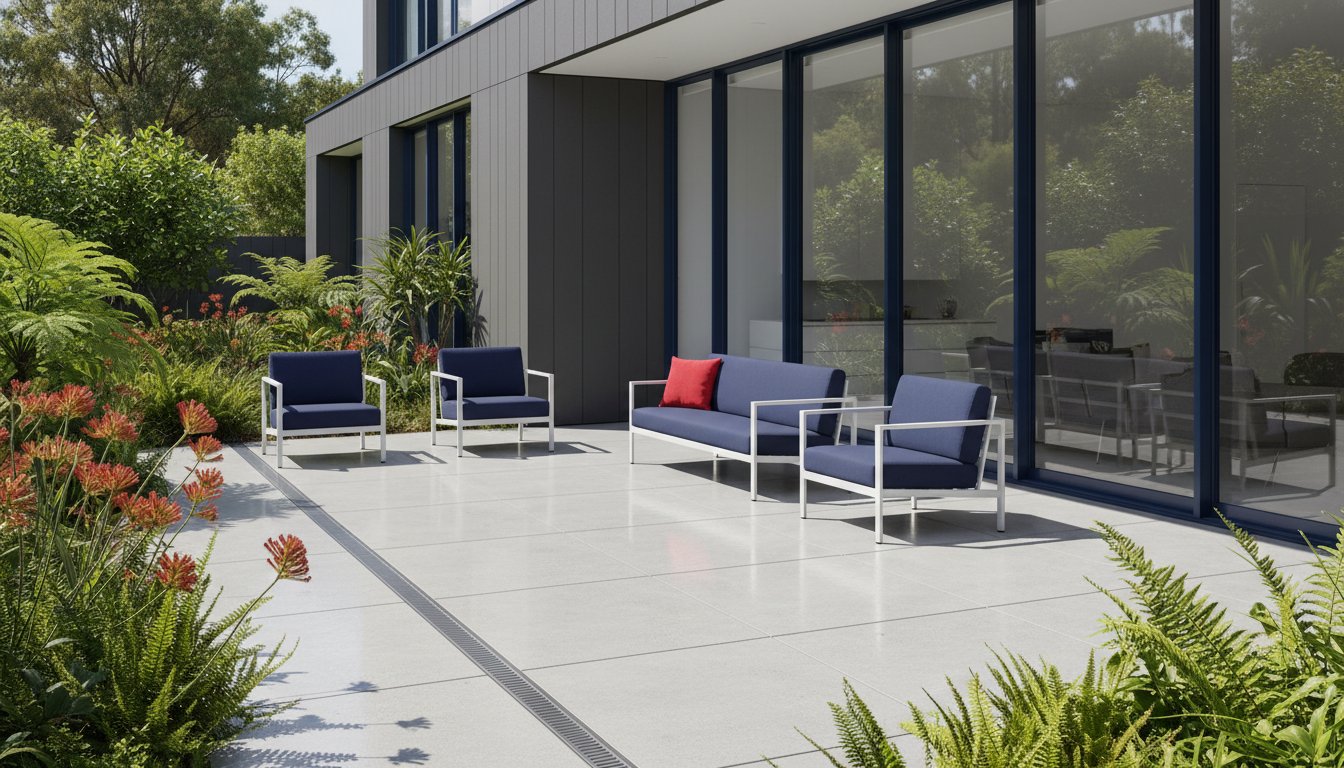
What if your patio could breathe with the rhythm of the seasons, acting less like a static roof and more like a responsive skin for your home? This concept of louvring is the definitive bioclimatic solution for the modern Australian residence, allowing your outdoor space to adapt to the environment in real time. You’ve likely felt the frustration of a 38-degree January afternoon forcing you back inside, or a sudden coastal squall drenching your carefully curated furniture. We understand that your backyard shouldn’t be a seasonal compromise. It should be an inviting destination for well-being that remains accessible regardless of the forecast.
Mastering this architectural approach allows you to reclaim these spaces by transforming standard patios into sophisticated, climate-controlled retreats. We’ll show you how the latest design trends and the updated AS/NZS 4740 performance standards, released in 2025, provide the flexibility needed to bridge the gap between indoor luxury and outdoor freedom. This guide explores the essential National Construction Code 2025 updates published on February 1, 2026, and examines how smart, automated systems can elevate your lifestyle while ensuring your home remains a private, year-round sanctuary.
Key Takeaways
- Understand the bioclimatic standard and how it transforms a static patio into a living, responsive architectural feature that adapts to the environment.
- Compare the functional benefits of louvred roofs, windows, and privacy screens to identify the ideal configuration for your lifestyle needs.
- Discover why marine-grade, UV-stabilized aluminium has become the benchmark for craftsmanship, offering far greater longevity than traditional timber.
- Master the art of strategic louvring to create a seamless indoor-outdoor flow that naturally reduces your home’s energy costs through passive cooling.
- Learn how to vet professional partners to ensure your installation includes the critical engineering certifications required for Australian structural integrity.
What is Louvring? Defining the Bioclimatic Standard
Imagine your home as a living organism. Louvring serves as the breathable skin of this structure; it’s a sophisticated system of angled slats meticulously designed to orchestrate light, air flow, and moisture. While many homeowners initially ask what is a louver in a historical context, the 2026 definition has shifted toward a more holistic vision. It marks a definitive transition from static, heavy patio roofs to dynamic bioclimatic architecture that responds to the environment in real time. In the Australian landscape, where UV levels frequently hit extreme ratings and coastal squalls can appear without warning, this flexibility isn’t just a luxury. It’s a necessity for any sanctuary intended to breathe with the surrounding garden.
This architectural shift moves beyond simple shade. It’s about creating an emotional destination for well-being. By choosing a louvring system, you’re investing in a space that remains comfortable whether it’s a crisp July morning or a sweltering February afternoon. The result is a seamless flow between your interior lounge and the natural world outside, ensuring your patio is never left vacant because of the weather.
The Core Mechanics of Adjustable Slats
A Brief History of the Louvre in Architecture
Louvres have deep roots in the Australian architectural vernacular. The classic “Queensland style” home relied on timber shutters to manage sub-tropical humidity long before air conditioning became standard. That heritage has evolved into the high-performance aluminium systems of 2026. We’ve moved away from high-maintenance timber that warps under the intense sun. Today’s systems use extruded aluminium with UV-stabilized finishes that endure for decades. The aesthetic has matured as well. Modern designs now feature integrated, hidden motorisation. This ensures the technical components are tucked away, maintaining a clean, minimalist silhouette that complements the most sophisticated contemporary homes.
Louvring Systems Compared: Roofs, Windows, and Privacy Screens
Choosing the right louvring application depends on your primary environmental challenge. While some homeowners struggle with the biting afternoon sun, others face the relentless wind of a coastal corridor. Unlike traditional fixed structures, a versatile architectural approach addresses these issues across three distinct planes: horizontal, vertical, and transitional. It’s not just about a roof overhead; it’s about creating a holistic envelope that regulates your home’s microclimate while maintaining architectural elegance.
Opening Roof Systems: The Horizontal Powerhouse
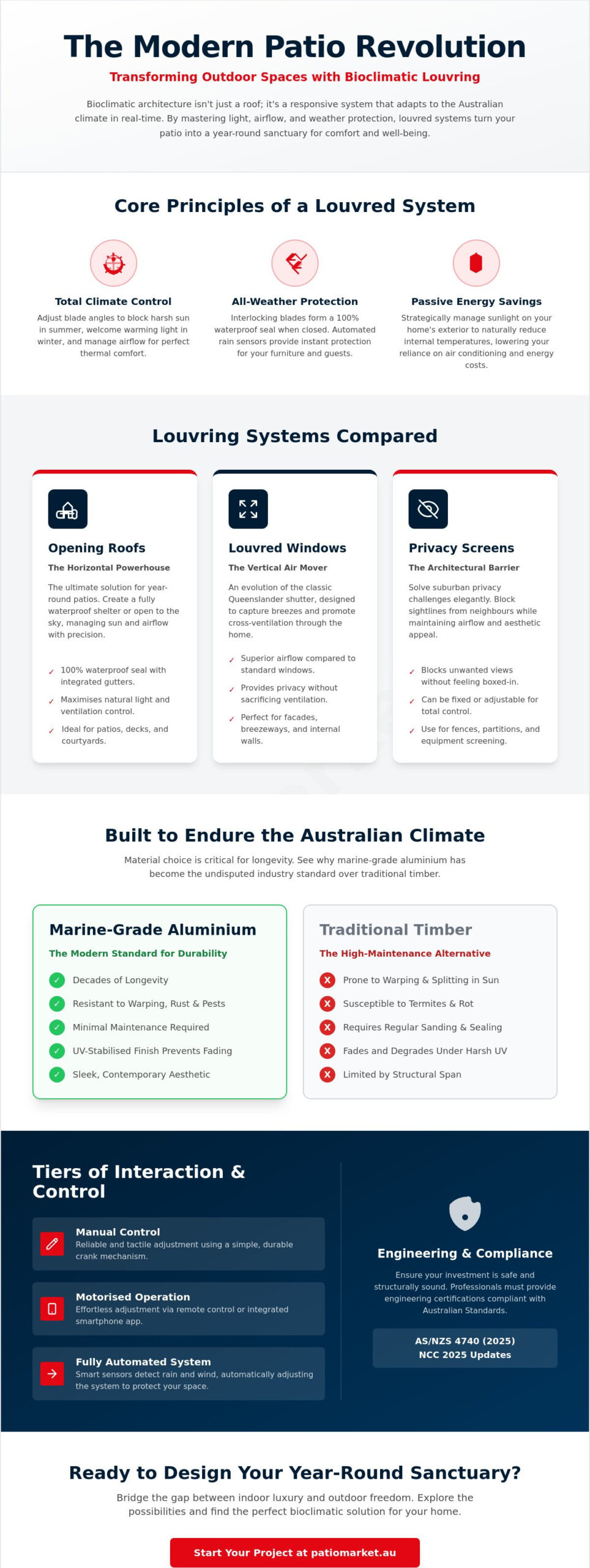
The horizontal opening roof is the cornerstone of any year-round patio. When closed, the interlocking aluminium blades create a 100% waterproof seal that diverts rain into a discrete, integrated guttering system. This engineering ensures that your luxury daybed for outside remains dry and protected even during a tropical downpour. During the height of summer, you can angle the blades to block direct UV rays while allowing hot air to escape upward. Conversely, in winter, rotating the blades to follow the sun’s lower path invites natural warmth deep into your living zones.
Vertical Louvres and Slat Screens
Privacy in suburban Australia often feels like a trade-off against airflow. Vertical louvring solves this by providing a visual barrier that doesn’t choke the breeze. These systems can be fixed or adjustable, allowing you to pivot the slats to block a neighbor’s view while still framing a sunset. This vertical application often serves as a beautiful architectural complement to aluminium slat fencing, creating a cohesive aesthetic across the entire property. It’s a sophisticated way to build a sanctuary that feels open to the landscape but closed to the street.
For internal and external walls, louvre windows offer the highest ventilation rate of any window type. Compliance is key. The National Construction Code (NCC), updated on February 1, 2026, requires specific performance solutions for weatherproofing when using louvres in external walls. Ensuring your system meets the AS/NZS 4740 standards updated in 2025 is vital for both safety and comfort. If you’re ready to define your own boundaries, exploring the designer collections at Patio Market is a perfect first step toward a more breathable home.
Materials and Craftsmanship: Why Aluminium Dominates the Market
Craftsmanship in 2026 is defined by resilience. While timber once held the crown for traditional outdoor structures, the shift toward extruded aluminium has fundamentally changed how we approach louvring for the modern home. In the Australian climate, where temperatures can swing 20 degrees in a single day, timber often fails. It warps, splits, and requires annual sanding or staining to combat the relentless UV. Aluminium, by contrast, is a “fit and forget” material that maintains its structural integrity for decades, providing a future-proof foundation for your sanctuary.
Choosing the right materials ensures your outdoor room aligns with the latest Bioclimatic design standards. By utilizing high-grade metals, your structure works with the local environment to manage heat and light efficiently. This transition from organic materials to precision-engineered metals isn’t just about durability; it’s about achieving a level of architectural sophistication that timber simply can’t match.
The Durability of Extruded Aluminium
Structural integrity is paramount, especially for wide-span louvre roofs that must withstand the updated wind speed requirements of AS/NZS 4740, revised in 2025. Extruded aluminium, specifically the 6063 T6 grade often used in premium systems, offers an incredible strength-to-weight ratio. This allows for longer, cleaner spans without the need for excessive support pillars. It’s naturally resistant to rotting and termite damage, making it a superior choice for Australian backyards. Sustainability also plays a role. Aluminium is 100% recyclable, fitting the eco-conscious requirements of the National Construction Code 2025.
Finishes and Aesthetics
Modern powder coating technology has reached a point where aesthetics no longer require compromise. You can match your louvring system to existing Colorbond palettes or even opt for textured timber-look grains that offer the warmth of wood without the maintenance. For those living within five kilometres of the ocean, marine-grade, “salt-safe” coatings are essential to prevent corrosion. The choice between matte and gloss finishes also impacts performance. Matte finishes are increasingly popular for their ability to diffuse harsh sunlight, reducing glare and heat absorption on north-facing patios.
The finer details often dictate the longevity of the entire system. High-performance louvres utilize 316 marine-grade stainless steel fixings and internal components to prevent mechanical failure in the salt-laden Australian air. Beyond structural strength, the profile of the blade itself contributes to the atmosphere. Hollow-core, multi-chambered louvre blades are designed to dampen the sound of heavy rain, ensuring that a sudden downpour doesn’t interrupt your quiet afternoon of relaxation. This focus on acoustic comfort turns a simple roof into a true destination for well-being.
Designing Your Sanctuary: Integrating Louvring into Your Home
Blurring the boundaries of your home requires more than just a large glass door; it demands a transitional space that feels as intentional as your interior lounge. Integrating louvring into your architectural plan allows you to choreograph the flow between indoor comfort and the raw beauty of the Australian landscape. This isn’t a mere design trend for 2026. It’s a fundamental shift in how we inhabit our properties. By strategically placing these systems over north-facing windows or main entertaining areas, you can harness passive cooling to slash energy bills. Homeowners often see a reduction in cooling loads by up to 30% when louvres are used to prevent solar heat gain before it even reaches the glass. To further optimize your property’s energy performance, you can learn more about how heat recovery ventilation systems maintain a fresh interior climate while preserving thermal efficiency.
Beyond climate control, the design phase allows you to create distinct lifestyle zones within a single footprint. A bank of louvres can define an intimate dining area or a secluded relaxation nook. A louvred roof also provides the ideal sheltered environment for a bar on the patio, protecting your entertaining setup from UV damage and sudden downpours while maintaining an open, breezy atmosphere. Lighting integration plays a vital role here. Recessed LED strips or adjustable spotlights mounted directly to the louvre blades transform the space after sunset, turning a functional daytime shelter into an evocative evening destination for well-being. It’s about crafting a space that feels like a permanent holiday at home.
The Relationship Between Louvres and Decking
Protecting your investment is a key component of high-end home improvement. A louvred roof provides the ultimate shield for your outdoor decking, preventing harsh UV rays from bleaching timber or composite boards. By coordinating the direction of the slats with your deck board patterns, you create a sense of visual harmony that elongates the space and draws the eye toward the garden. Crucially, a well-placed louvring system extends the lifespan of deck oils and stains by up to 50% by shielding the surface from the most punishing midday sun.
Smart Home Integration
The sanctuaries of 2026 are as intelligent as they are beautiful. Modern systems now feature rain sensors that trigger an automatic closure at the first sign of a summer storm, ensuring your soft furnishings remain pristine while you’re away. Similarly, wind sensors monitor high gusts, automatically adjusting the blades to a neutral position to protect the structural integrity of the frame. You can now curate your entire outdoor environment through smartphone apps or voice commands, allowing you to pivot the blades for the perfect sliver of light without leaving your chair. If you’re ready to start your transformation, explore our latest architectural solutions to find the perfect fit for your home’s unique layout.
Finding the Right Partner: Vetting Australian Louvring Professionals
Selecting the right artisan to execute your vision is the final, most critical step in the journey toward a perfect outdoor room. While the market is flooded with “off-the-shelf” kits, these pre-fabricated solutions rarely satisfy the specific structural demands of the Australian environment. Professional louvring is an engineered architectural feature, not a simple weekend DIY project. You must ensure your chosen professional provides site-specific engineering certification. This document proves the structure complies with local wind ratings and the safety standards mandated by the National Construction Code 2025, which states adopted on May 1, 2026.
Vetting an installer requires looking beyond the initial quote. Start by verifying their builder’s licence and ensuring they carry comprehensive public liability insurance. A robust portfolio should demonstrate experience with complex attachments to existing rooflines, as these require precise flashing and waterproofing to prevent internal leaks. Using a verified directory allows you to filter for experts who have a proven track record with high-performance aluminium systems, ensuring your investment is handled with the respect it deserves.
Questions to Ask Your Installer
Engaging in a technical dialogue helps establish the professional’s level of expertise. Ask if the motor system is covered by a separate warranty, as electronic components often have different coverage periods than the structural frame. Inquire about how the system handles heavy leaf debris or coastal salt; a knowledgeable installer will explain the drainage path and maintenance requirements for your specific location. Finally, confirm the lead time for custom-extruded aluminium components. In the current 2026 market, bespoke systems typically require 8 to 12 weeks from final measure to installation.
The Value Proposition: ROI of a Louvred Space
Investing in a sophisticated outdoor sanctuary is a strategic move for your property’s long-term value. By creating a climate-controlled environment, you effectively increase the “usable square meterage” of your home without the massive expense of a traditional brick-and-mortar extension. In the Australian real estate market, high-end outdoor features are highly coveted. Recent industry data from early 2026 suggests that a professionally installed louvre system can contribute a 5% to 8% uplift in total property resale value. It transforms a simple backyard into a premium lifestyle asset that resonates with modern buyers.
Your journey toward a more refined outdoor life begins with the right connections. To ensure your project meets the highest standards of craftsmanship and durability, you can discover the best verified installers via the Patio Market directory. Taking this step ensures your new sanctuary remains a source of joy and well-being for decades to come.
Reclaiming Your Sanctuary with Bioclimatic Design
Elevating your home with a sophisticated louvring system is more than a simple aesthetic upgrade; it’s a commitment to a life lived in harmony with the Australian elements. By embracing the 2025 performance standards and the durability of marine-grade aluminium, you’ve transformed a vulnerable patio into a resilient architectural asset. This investment doesn’t just offer daily comfort. It provides a tangible 8% uplift in property value that secures your home’s future in a competitive market. Your outdoor space is no longer at the mercy of the midday sun or a sudden coastal squall.
Navigating the technical nuances of NCC 2025 compliance and material selection is easier with the right guidance. You can find the best louvring and patio professionals across Australia on Patio Market to bring this vision to life. Our comprehensive directory connects you with verified installers and expert-led resources specifically curated for the high-end Australian lifestyle. Don’t let another season pass without a space that truly breathes with the landscape. Your backyard is waiting to become your favorite destination; start your journey toward a more beautiful, climate-controlled home today.
Frequently Asked Questions
Is louvring 100% waterproof?
Modern systems are engineered to be highly water-resistant. When the interlocking blades close, they create a seal that channels water into integrated gutters. While they resist heavy rainfall as per the 2025 AS/NZS 4740 standards, they aren’t classified as 100% watertight under extreme cyclonic conditions. Proper installation of flashings and seals is essential to ensure your sanctuary remains dry during standard Australian storms.
How much maintenance do louvred systems require?
Aluminium systems require very little upkeep compared to traditional timber. We recommend a simple wash with soapy water every six months to remove salt and dust, especially in coastal zones. You should also clear the integrated gutters of leaves and debris annually to ensure the drainage system functions perfectly. This minimal effort preserves the UV-stabilized finish and keeps the mechanical components moving smoothly for decades.
Can I install a louvred roof over an existing deck?
You can certainly install these systems over existing decking, provided the footings meet current structural requirements. A qualified installer will assess your deck’s substructure to ensure it can support the weight of the aluminium frame and the wind loads specified in the 2025 building standards. If your deck was built before 2020, it may require minor reinforcement to guarantee the longevity of your new climate-controlled retreat.
Are motorised louvres noisy to operate?
Modern motorised systems are designed for near-silent operation. Premium 2026 models utilize high-torque, low-decibel motors that are tucked away within the frame to maintain a seamless aesthetic. You’ll hear a soft, mechanical hum that lasts only a few seconds as the blades pivot. This quiet performance ensures your relaxation remains undisturbed while you adjust the light and airflow of your outdoor room.
Do louvres provide better insulation than fixed roofs?
Louvring offers superior thermal management because it allows for active ventilation. Unlike a fixed roof that traps hot air underneath, adjustable slats can be angled to release heat while still providing shade. This bioclimatic approach can reduce the temperature of your patio by up to 10 degrees on a 35-degree day. It provides a more versatile form of insulation that adapts to the shifting Australian seasons.
What is the average lifespan of an aluminium louvre system?
A high-quality aluminium system typically lasts between 20 and 30 years with basic care. The use of 6063 T6 grade aluminium and 316 stainless steel components prevents the corrosion that plagues other materials. Because the powder-coated finishes are UV-stabilized, they resist fading and chalking even under the intense Australian sun. These systems are truly designed as future heirlooms for your home.
Can louvres be integrated with smart home systems like Alexa or Google Home?
Integration with major smart home platforms is a standard feature in 2026. Most motorised systems use a bridge or hub to connect with Alexa, Google Home, or Apple HomeKit. This allows you to create automated “scenes” where your louvres adjust based on the time of day or temperature. You can simply use a voice command to tilt the blades without leaving your outdoor daybed.
Do I need council approval for a louvred roof system?
Council approval is generally required for louvred roofs in most Australian municipalities, particularly if the structure exceeds 3 metres in height or is attached to your home. Regulations vary significantly between states like New South Wales and Victoria. It’s essential to consult with your local council or a certified private certifier before beginning construction to ensure your project complies with the National Construction Code 2025.